We Have the Vision. Now We Need the Team.
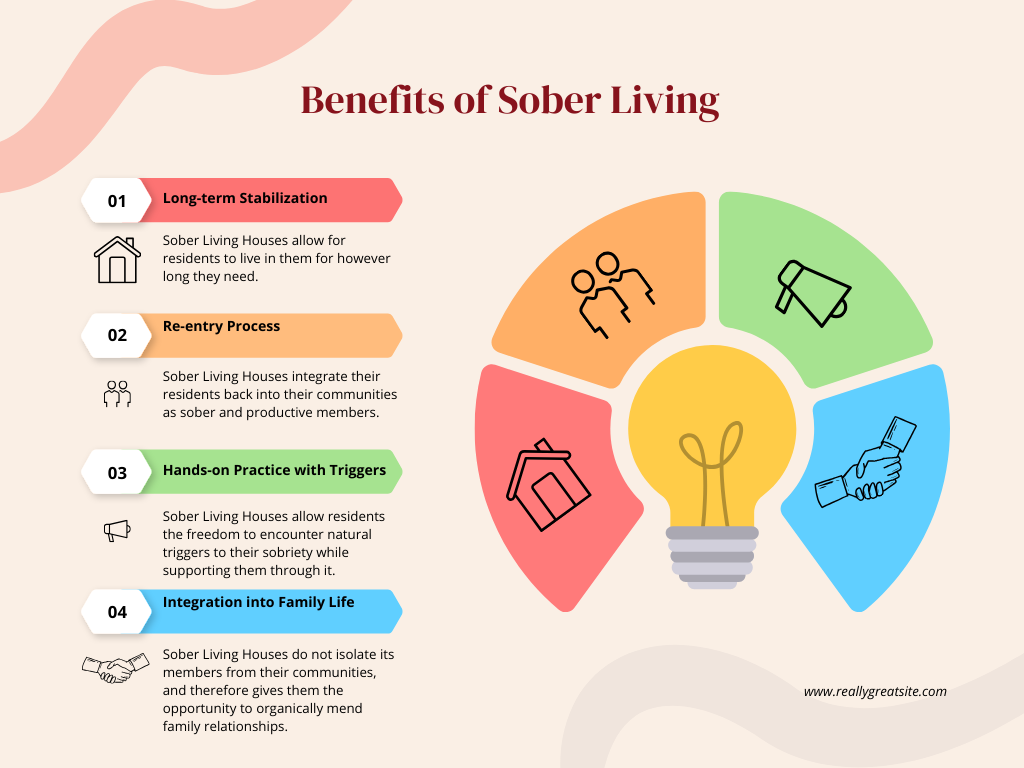
Youth Recovery Housing Solutions was founded because we recognized a critical gap in the recovery system: adolescents who complete substance use treatment often have nowhere to continue their recovery in a safe, supportive sober living environment.
Since our founding, we have developed the framework, conducted research, built our nonprofit infrastructure, and raised funds toward making this vision a reality.
At this time, we are not yet operational and are not currently accepting residents or providing direct services.
What we need now is a dedicated team of leaders, professionals, board members, volunteers, and community partners with the time, expertise, and resources to help turn this vision into reality.
If you believe that young people deserve the same opportunity for long-term recovery as adults, we invite you to join us. Together, we can build the nation's first adolescent recovery housing program and create lasting change for youth and families.
This mission is ready. We are looking for the people who are ready to carry it forward.
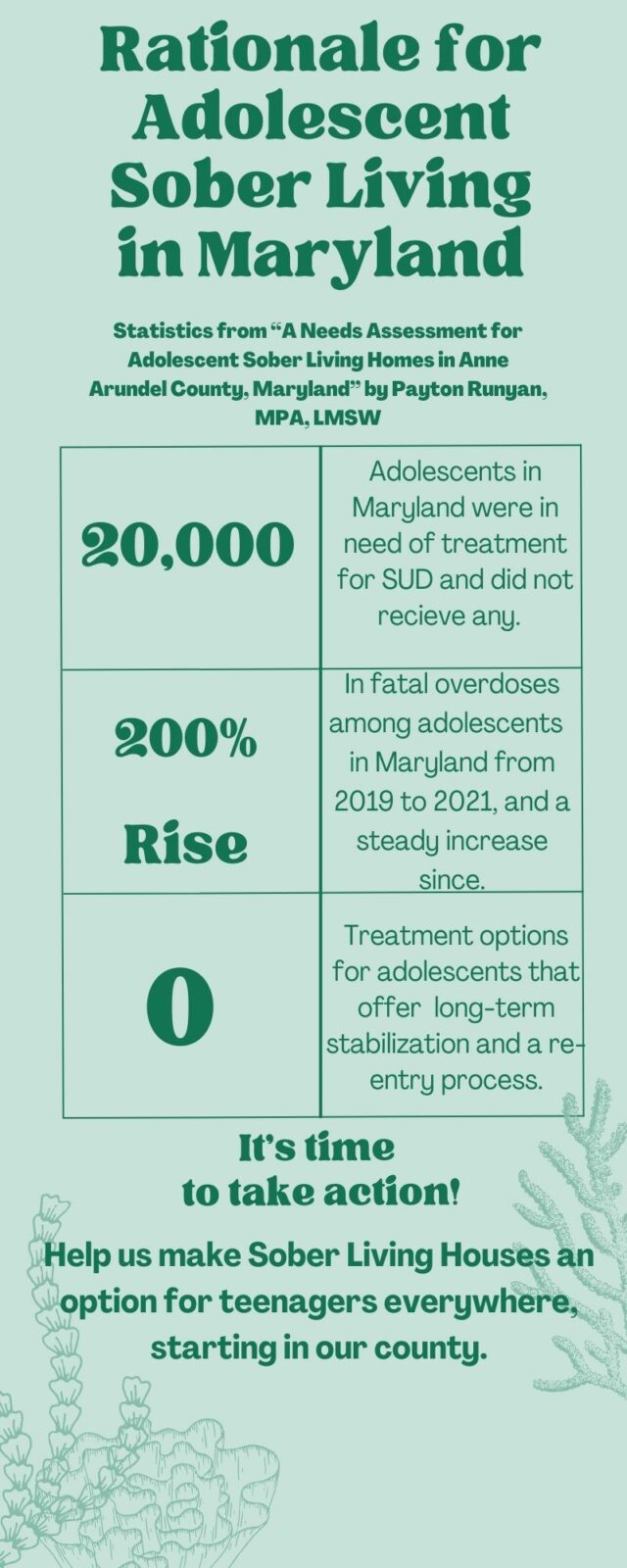
Information from this page comes from
"A Needs Assessment for Adolescent Sober Living Homes in Anne Arundel County, Maryland"
Youth Recovery Housing Solutions Inc. September 4, 2023
By Payton Runyan, MPA, LMSW. Edited by Ella Peels
Copies available upon request
What We Want to Do
Youth Recovery Housing Solutions is a 501(c)(3) non-profit that addresses the inequity and inadequacy of our existing recovery system for Substance Use Disorder (SUD) in order to meet the needs of youth who would benefit from living in a highly supportive recovery community after treatment.
Our non-profit aims to provide equity in our existing recovery system. We will serve as our country's first Sober Living home for adolescents ages 13-17. We will support youth in their recovery from SUD through creating an environment that gently reintegrates them into every day life.
Evidence That Sober Living Works
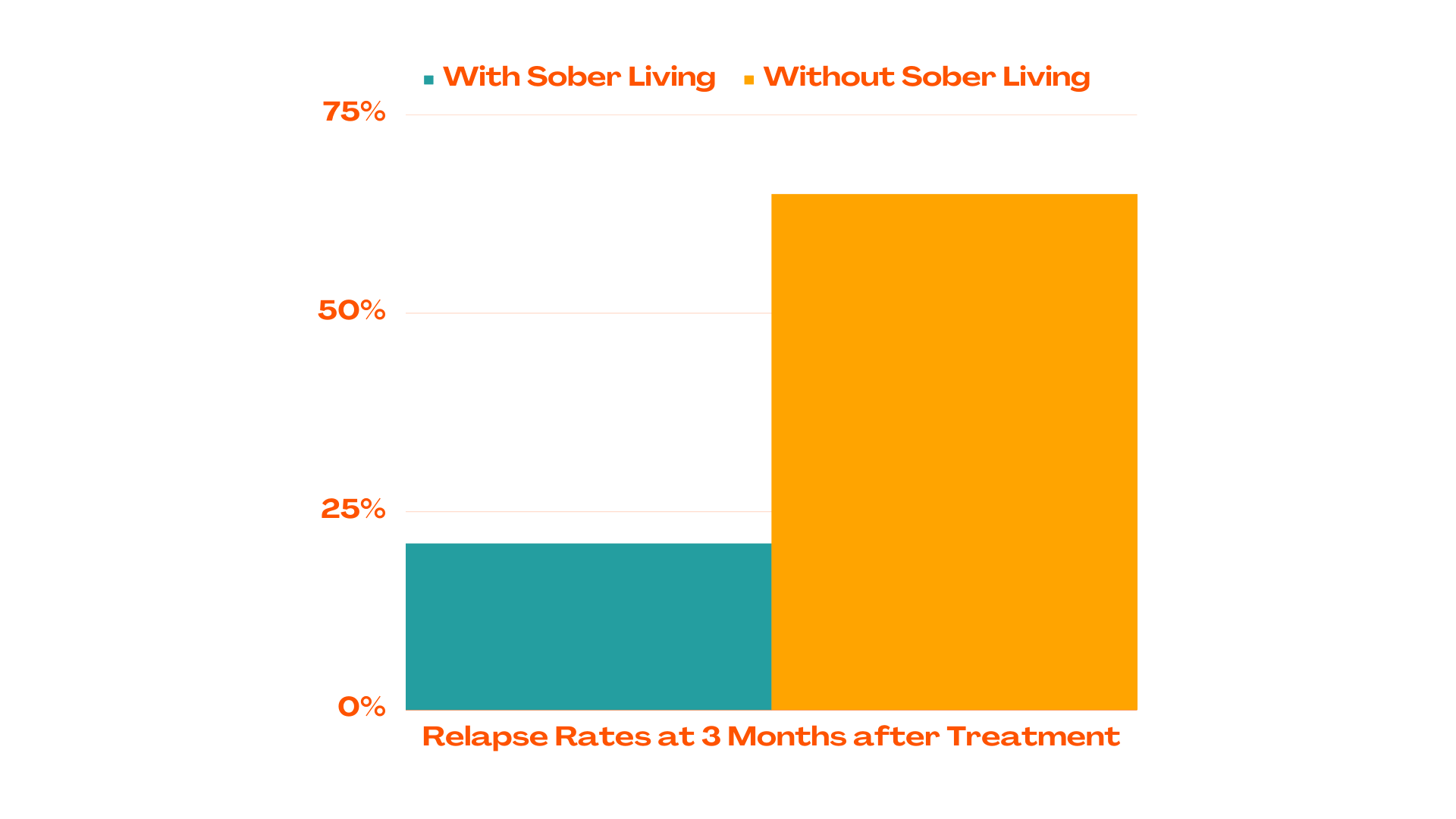
According to the National Library of Medicine, 65-70% of adults and children relapse within the first 90 days of attending in-patient treatment. Further, another study showed that only 21% of residents in highly supportive Sober Living houses relapsed within six months of attending treatment.
Sober Living Houses that are situated in a supportive surrounding environment are thus proven to be 46.5% more successful in keeping people sober during the time when they are most vulnerable to relapse.
Studies Cited:
Sinha R. New findings on biological factors predicting addiction relapse vulnerability. Curr Psychiatry Rep. 2011 Oct.
Polcin DL, Korcha R, Bond J, Galloway G. What did we learn from our study on sober living houses and where do we go from here? J Psychoactive Drugs. 2010 Dec.